Pastimes - Mini Games
Puzztime!Trivia
4.4427.00 Reviews
- Version
- 6.1.2
- Installs
- 500.00K
- Age Rating
- Everyone
Screenshots
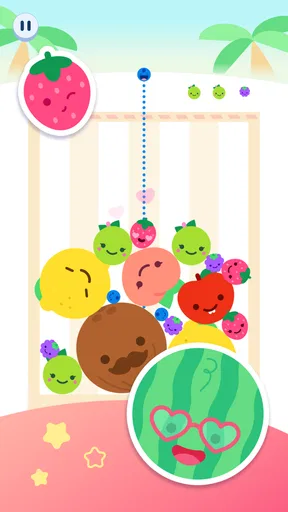
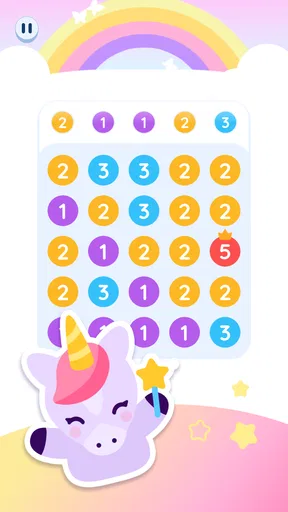
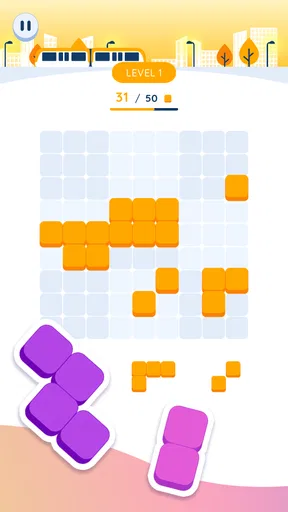
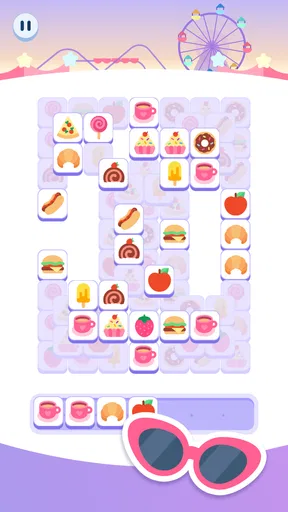
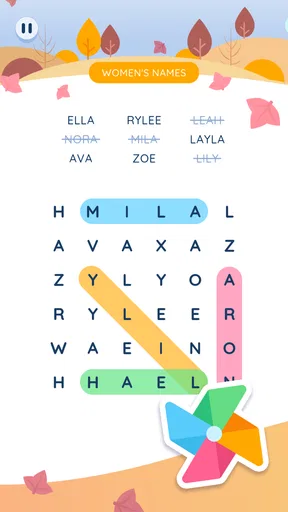
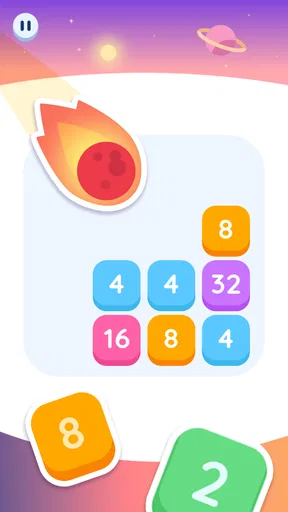
Our Review of Pastimes - Mini Games
 Analysis by Appyee
I went into Pastimes - Mini Games expecting a light way to fill a few spare minutes, and that is exactly where it makes the most sense. This is a free trivia game from Puzztime! built around short daily pastimes rather than one long campaign or a demanding competitive ladder. I found its appeal in the small commitment: I can open it when I want a mental reset, play for a while, and leave without feeling that I have abandoned a complicated game.
That simple purpose is also the key to judging it fairly. It is not trying to replace a deep puzzle game, a large quiz platform, or a story-driven adventure. Its strongest quality is the way it turns brief sessions into a calm routine. The store summary presents it as a family-friendly collection of relaxing mini games, and my experience fits that description, although the word “relaxing” should not be confused with “always effortless.” Some questions still make me think, and that is what keeps the experience from becoming background tapping.
Pastimes - Mini Games has an average rating of 4.4 from around 6,400 ratings, with more than 500,000 installs. Those figures suggest that its compact format has found a sizeable audience, but they do not tell me whether it will suit every player. If you want a focused daily habit, it is easy to recommend. If you want detailed progression, a rich narrative, or a clearly competitive multiplayer structure, I would look elsewhere.
A gentle first impression that works best in short visits
The first thing I noticed is how quickly the game communicates its purpose. There is no need to learn a large ruleset before playing. The mini-game approach makes the opening feel approachable, especially for someone who may not normally spend time with trivia titles. I could treat it as a small break between tasks rather than an activity that demands an entire evening.
That matters in an everyday situation. Imagine waiting for an appointment, sitting on a train, or taking a short break after finishing household chores. A conventional quiz app may push you toward a long round, a countdown, or a streak that feels difficult to interrupt. Pastimes is better suited to that uncertain pocket of time because its identity is built around brief diversions. I can begin without planning a session in advance.
The family-friendly positioning also affects how I would share it. With an Everyone content rating, it is an easy title to keep on a shared device or suggest to relatives who want something uncomplicated. Younger players may enjoy the accessible format, while adults can use it as a low-pressure change of pace. Still, “for the whole family” does not mean every question will be equally familiar to every age group. Trivia naturally rewards different kinds of knowledge, so mixed-age players may find that one person answers quickly while another needs more time.
The game is free to download, which removes the biggest barrier to trying it. There are in-app purchases ranging from forty-nine cents to $14.99 per item, so I would approach the optional spending with a clear personal limit. The free entry is useful for testing whether the daily rhythm suits you, but players who dislike any purchase prompts should pay attention to the screen flow and avoid treating every offered item as necessary.
What the presentation says before the questions begin
Pastimes works because its presentation appears to support the idea of a pleasant collection of diversions rather than an intense examination. The setting is not the attraction in the way a fantasy world or detective story would be. Instead, the game creates a familiar, easygoing frame for small challenges. That choice keeps the focus on the activity in front of me and avoids making a simple question feel more dramatic than it needs to be.
I see this as a sensible art direction for the category. Trivia can become tiring when every round is presented as a test of status. A softer visual language makes it easier to play for curiosity instead of pride. I can answer, make a mistake, and continue without feeling that the entire session has been ruined. That is especially valuable for casual players who want entertainment rather than a public display of knowledge.
The trade-off is that a restrained presentation may not provide enough personality for players who choose games mainly for their worlds. If you need memorable characters, a strong setting, or visual discovery to keep you interested, this is probably not the right pick. Its world language is functional: it helps the mini games feel connected, but it does not compete with them.
One useful way to approach the design is to let the setting determine your expectations. I would not open it looking for a dramatic payoff. I would open it when I want a small collection of mental exercises that feels more welcoming than a formal quiz. That mindset makes the presentation feel coherent instead of underdeveloped.
Sound, silence, and the pace of a casual session
Sound is important in a game like this because the player may use it in places where attention is divided. A loud, urgent soundtrack would work against the relaxed purpose. Pastimes benefits from a mood that lets the questions remain the main event. I could imagine playing it with audio at a low level, or treating it as a quiet activity when I do not want another demanding stream of sound competing with the room around me.
The pacing follows the same principle. There is value in giving each small challenge enough space to register without turning every answer into a dramatic event. A calm rhythm makes the game suitable for a morning coffee, a short evening wind-down, or a few minutes when I need to step away from social feeds. It feels more like a reset than a performance.
That pacing also reveals a limitation. Players who enjoy rapid-fire quizzes may find the experience too measured, especially if they want constant pressure and immediate competition. The game’s mood asks me to slow down and notice the question rather than rush through a sequence for adrenaline. That is a strength for relaxation, but a weakness for anyone who measures fun by speed.
I would also avoid judging the game solely by how many questions I can answer in one sitting. Its design makes more sense when I stop before the activity becomes repetitive. A practical habit is to play a small number of rounds, then leave while the experience still feels fresh. Because the title is organized around daily pastimes, preserving that sense of return is more valuable than forcing a marathon session.
Why the mini-game format fits trivia better than a single long quiz
The central mechanical idea is the combination of trivia and short activities. That structure gives the knowledge-testing element a softer edge. Instead of asking me to commit to a large quiz, it lets me approach the game as a sequence of manageable moments. I can focus on the question in front of me and treat the next one as a separate opportunity.
This is where it compares favorably with the usual alternatives. A traditional trivia app often emphasizes large question banks, timed rounds, leaderboards, or head-to-head play. Those systems can be excellent when I want measurable improvement or competition, but they can also make a casual player feel that every mistake matters. Pastimes is more appealing when the goal is to keep my mind active without turning leisure into another scoreboard.
On the other hand, a dedicated puzzle game may offer more depth in each individual challenge. Word games, logic puzzles, and strategy titles usually give me a clearer sense of mastery because I learn a system and improve at it. Pastimes is broader and lighter. Its interest comes from changing the type of small activity rather than building one elaborate skill. If you want to study a specific puzzle mechanic, a specialized alternative will probably be more satisfying.
My most useful tip is to treat the game as a mood-based tool rather than a progress obligation. I would use it when I want variety but not a large commitment. I would not rely on it as my main game if I need a long-term objective, a detailed achievement path, or a strong reason to return beyond the next daily diversion.
Small choices that make the experience work better
There are a few practical ways to get more from this format. First, I would play with a clear purpose: relaxation, a short mental warm-up, or a shared family break. That prevents the game from being compared unfairly with titles designed for competition. Second, I would avoid playing while distracted by another demanding task. Even a casual trivia question is less enjoyable when I am answering without reading properly.
Third, I would use the family angle selectively. It can be fun to pass the device around and compare answers, but I would keep the atmosphere playful rather than turning every question into a test of who knows more. The game’s approachable mood is better preserved when mistakes become conversation starters. That makes it useful for a quiet shared moment, particularly when nobody wants to learn complicated rules.
A fourth consideration is spending. Since the game is free but includes individual purchases, I would decide in advance whether I am comfortable buying anything. The safest approach is to enjoy the core routine first and only consider an optional item if it clearly improves the way I personally play. A purchase should not be treated as a requirement for appreciating the short-session format.
Finally, I would not confuse the daily structure with a promise that every visit will feel equally fresh. Any repeatable trivia experience can become familiar over time. If I notice myself answering automatically or opening it out of habit rather than interest, taking a break is better than forcing the routine. Its relaxed design works best when returning feels like a choice.
Who should install it, and who should skip it?
I would recommend Pastimes to people who enjoy trivia but do not want the pressure of a formal contest. It is particularly suitable for casual players, families looking for a simple shared activity, and anyone who likes filling short gaps with something more engaging than scrolling. The Everyone age rating makes it broadly approachable, while the free price makes experimentation easy.
I would also suggest it to players who appreciate atmosphere as much as mechanics. The presentation does not need to overwhelm the questions. Its appeal comes from the balance between a gentle setting, an unhurried rhythm, and small mental challenges. If that combination sounds more attractive than flashing rewards and constant competition, it is worth trying.
I would skip it if your priority is a deep single-player campaign, elaborate world-building, or a highly developed competitive scene. I would also choose another option if I wanted one carefully refined puzzle system rather than a collection of lighter pastimes. People who dislike optional purchase prompts may prefer a paid game with a simpler pricing model, even though the free entry here is convenient.
Another exception is the serious trivia enthusiast who wants detailed performance analysis. Pastimes is better understood as casual knowledge play than as a training platform. Someone preparing for a quiz competition, tracking precise improvement, or seeking a large competitive community should use a more specialized trivia product. The relaxed mood is not a substitute for rigorous practice.
Practical details before making it part of your routine
Puzztime! is the developer behind the game, and the current version is 6.1.2. It was released on December 2, 2024, and supports devices running at least OS 7.1. Those details make it accessible to people using older compatible devices, although I would still check the store page on the specific phone or tablet before installing because general compatibility does not guarantee the same experience on every model.
The game’s free-to-start approach is its most inviting practical feature. I can test the tone, question style, and session length without paying at the door. The important decision is whether the optional purchases fit my habits. For a child using a shared device, I would make sure purchase controls are handled responsibly. For myself, I would regard the free version as the trial and only spend if the game becomes a regular part of my downtime.
The age rating of Everyone also makes it easier to recommend in mixed company. Even so, I would remember that accessibility is not the same as universal appeal. A younger player may enjoy the quick format but struggle with unfamiliar trivia, while an adult may appreciate the calm pacing but want more challenging material. The best experience comes from treating it as a flexible pastime rather than assuming every question is aimed at one exact age group.
The atmosphere verdict
Pastimes - Mini Games succeeds when its art direction, sound, and pacing all serve the same promise: a small, friendly break built around trivia and mini games. I like that it does not need a dramatic setting to make a session worthwhile. The coherent mood gives the questions room to breathe, and the short format makes the game easy to fit around real life.
Its limitations are equally clear. The calm presentation may feel too modest for players who want spectacle, while the lightweight structure may not satisfy anyone looking for deep progression or intense competition. Optional purchases also mean I would play with awareness rather than assuming that every available item is essential.
My final recommendation is straightforward: install it if you want a free, family-friendly trivia pastime that respects short sessions and a relaxed pace. Start with a few visits, notice whether the daily rhythm feels natural, and keep your expectations focused on pleasant mental breaks. For me, that is where the game finds its identity. It is not the most ambitious trivia experience, but it is a coherent and approachable one, and sometimes that is exactly what I want from a game.
Verdict
Strengths of Pastimes - Mini Games
- Quick mini-games are ideal for short breaks or casual play.
- Simple controls make the collection accessible to most players.
- A variety of game types helps prevent the experience from feeling repetitive.
- Lightweight gameplay works well on older or less powerful devices.
- Easy-to-learn challenges make it suitable for players of different ages.
Limitations of Pastimes - Mini Games
- Some mini-games may feel too basic for experienced players.
- Replay value can depend heavily on personal interest in each challenge.
- The app may become repetitive after extended play sessions.
- Certain games may offer limited depth beyond their initial appeal.
- Ads or optional purchases could interrupt the otherwise casual experience.
Other Releases by Puzztime!
View All
Minipuzzles - Daily Challenges
Trivia4.5

Minipuzzles Go!
Trivia4.6
Similar Picks in This Category
View All
Millionaire 2026 Quiz & Trivia
Quiz & Trivia Games by Submarine Apps4.5

Brain Test 2: Tricky Stories
Unico Studio4.7

Trivia Crack: Brain Quiz Games
etermax4.4

QuizzLand. Quiz & Trivia game
Quiz & Trivia Games by Mno Go Apps4.8

Brain Test: Tricky Puzzles
Unico Studio4.7

Logo Quiz
bubble quiz games4.5
Frequently Asked Questions
What is Pastimes - Mini Games?
Pastimes - Mini Games is a casual game collection designed for quick and relaxing play sessions. It brings several simple mini-games and traditional pastime-style activities together in one app, making it suitable for users who want variety without downloading multiple titles. The gameplay is generally easy to understand, with short rounds that can be enjoyed whenever you have a few spare minutes.
Is Pastimes - Mini Games suitable for beginners and children?
The app is generally beginner-friendly because its mini-games rely on straightforward rules, simple controls, and familiar concepts rather than complicated tutorials or advanced strategies. Younger players may also enjoy the accessible design, although parents should check the store rating, advertising, in-app purchase information, and privacy details before allowing children to use it, especially if the device is shared.
Does Pastimes - Mini Games require an internet connection?
Some parts of Pastimes - Mini Games may work without a constant internet connection, which is useful for travel, commuting, or playing in areas with weak coverage. However, connectivity can still be required for advertisements, analytics, updates, online features, or restoring purchases. Because offline behavior may vary between mini-games and app versions, it is best to test the titles you want to play before relying on the app without internet access.
Are there advertisements or in-app purchases in Pastimes - Mini Games?
As with many free casual game collections, Pastimes - Mini Games may include advertising and could offer optional purchases, depending on the version available in your region. Ads can appear between rounds or while accessing certain features, while purchases may be used to remove advertising or unlock additional content. Before downloading, review the official store listing and purchase settings, and use parental controls if children will be playing.
Is Pastimes - Mini Games worth downloading?
Pastimes - Mini Games is worth considering if you prefer lightweight entertainment, enjoy switching between different casual activities, and do not need deep stories, competitive multiplayer, or high-end graphics. Its main appeal is convenience: several quick games are available from one app. Users seeking a polished, ad-free experience or extensive progression systems should carefully check current reviews and monetization details before installing.
Play our best games!


